
“I Thought You Were Out of My League” Is Not Always a Red Flag
Why we need to stop letting social media define our relationships.
If a man says, “I thought you were out of my league,”
it’s not necessarily romantic,
but it’s not always a red flag either.
Just like you, I’ve come across countless Instagram reels, YouTube shorts, and even catchy blog posts that toss this line around with absolute confidence.
But here’s a question worth pausing on
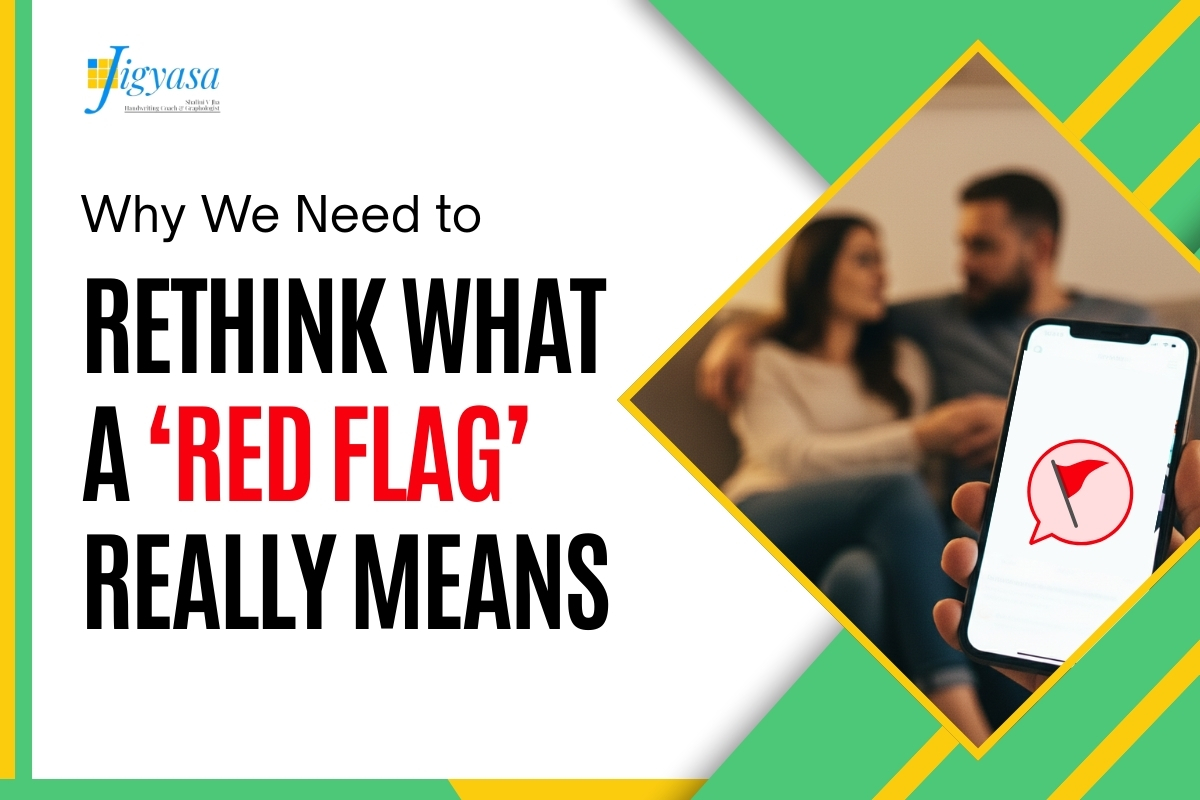
What exactly is a red flag?
Social Media Has Oversimplified Relationships
In my experience of working with couples and individuals navigating relationship challenges over the past three years, I’ve realized something important:
We’ve become too quick to label things as red flags.
And that tendency — while well-intentioned — is one of the biggest reasons people today are too quick to dismiss relationships that might have had real potential.
What a Red Flag Is Not
A red flag is not your partner struggling to express emotions.
It’s not about a clumsy compliment or a nervous confession.
We’re human.
We fumble with words.
We say things awkwardly.
We learn how to love while still figuring ourselves out.
And sometimes, “You’re out of my league” simply means,
“I admire you, and I’m still learning to feel worthy of you.”
That’s not manipulation, that’s vulnerability.
What a Real Red Flag Looks Like
A true red flag is something far more serious:
⚠️ When your partner is manipulative
⚠️ When they are consistently dishonest
⚠️ When they show repeated disrespect
⚠️ When they are emotionally, mentally, or physically abusive
That’s when you need to notice, step back, and protect yourself.
Because those patterns aren’t slips of the tongue, they’re signs of harm.
Let’s Not Blur the Line
Real relationships are far more complex than what we see on reels, shorts, or viral posts.
Social media loves to make things black and white.
But relationships live in the grey, the space where understanding, communication, and compassion exist.
So let’s not let social media define what we stand for and what we don’t.
Let’s bring empathy back into the conversation.